VERSA 3 / MANUFACTURING CAPABILITIES

Thermoforming

Custom shells. Functional trays. Engineered sheet components.

Explore vacuum forming, pressure forming and twin-sheet thermoforming around your part’s function. Bring geometry, material, surface and assembly requirements into one focused manufacturing review.

Have CAD, a sketch or a sample? Start with what you have.

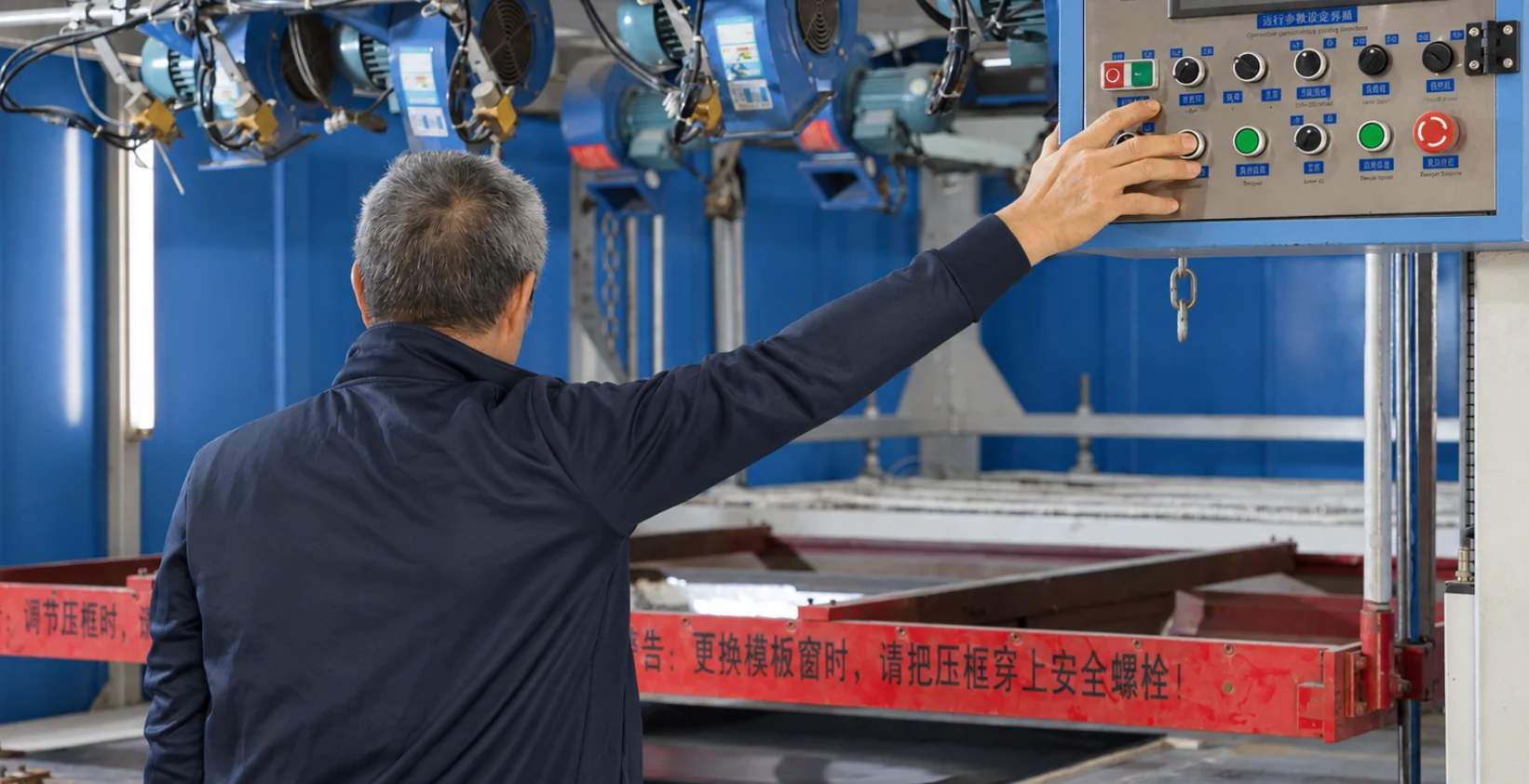
Thermoforming equipment in operation
APPLICATION FOCUSEquipment shells & coversHandling trays & linersDouble-wall components

START WITH THE PART’S FUNCTION

The forming route follows the requirement.

Choose the structure and surface your part needs, then review the manufacturing approach. Final process selection depends on geometry, materials, tooling and demand.

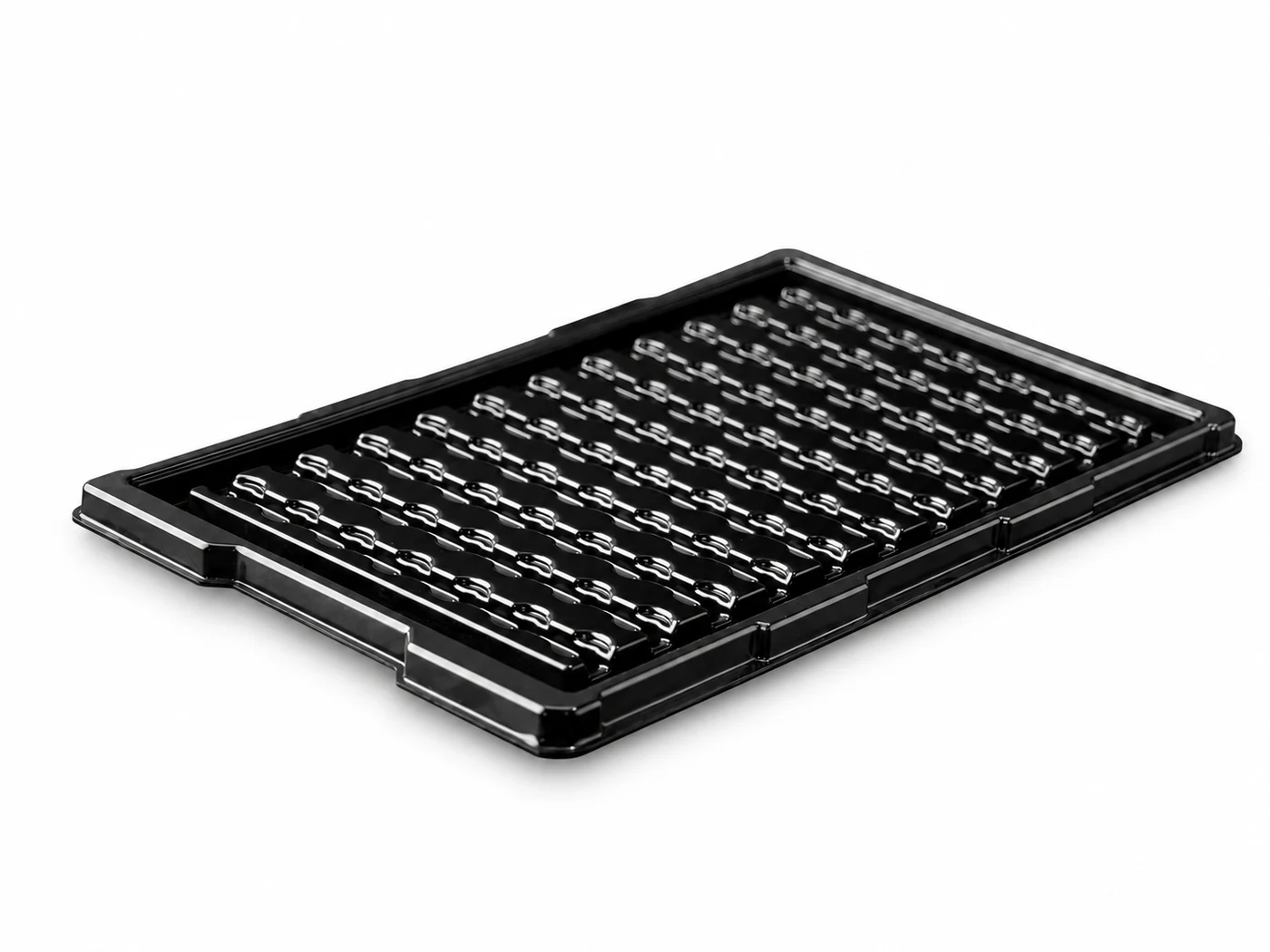
Vacuum-formed component handling tray

Vacuum Forming

Shape a heated sheet around your component requirements.

For shells, covers and trays where geometry, material distribution and trimmed edges define the result.

  • Draw depth, draft and corner radii
  • Tool-side finish and visible surfaces
  • Trimmed edges, openings and mating parts
Discuss this process
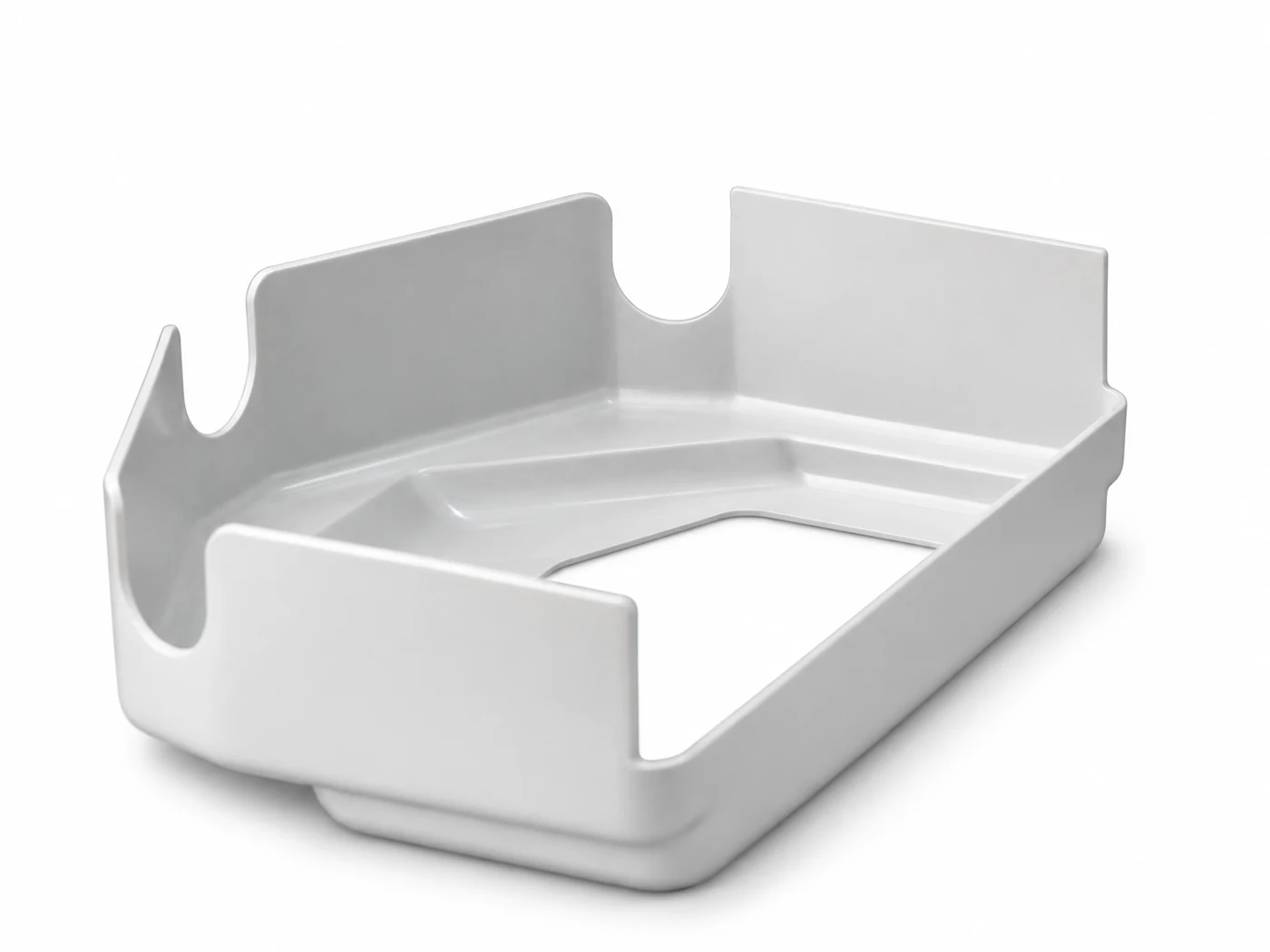
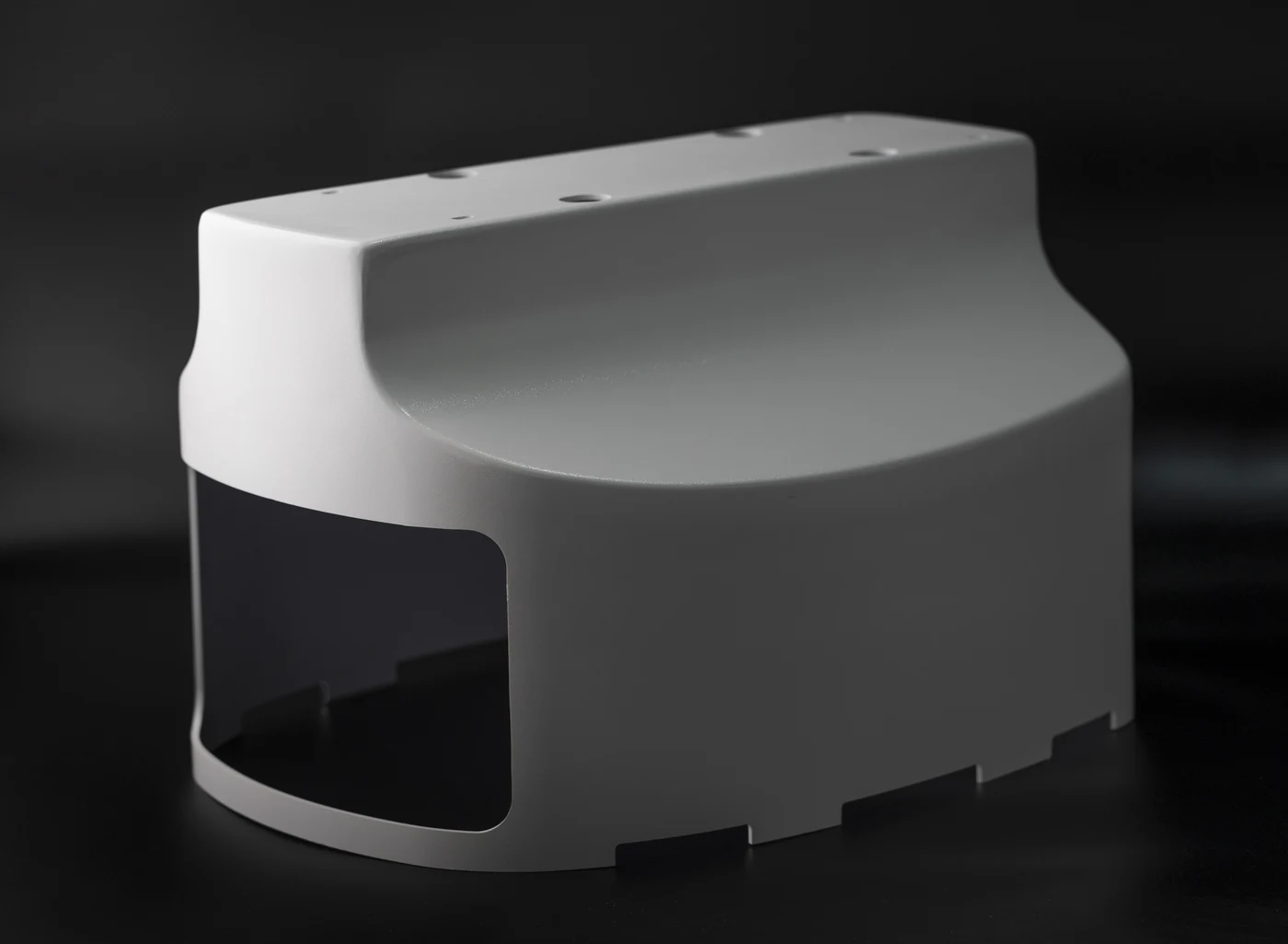
Pressure-formed equipment shell

Pressure Forming

Bring surface definition into the design conversation.

Discuss this route when formed-sheet parts require more defined cosmetic features and surface detail.

  • Appearance requirements and texture
  • Detail definition and tool configuration
  • Critical interfaces after trimming
Discuss this process
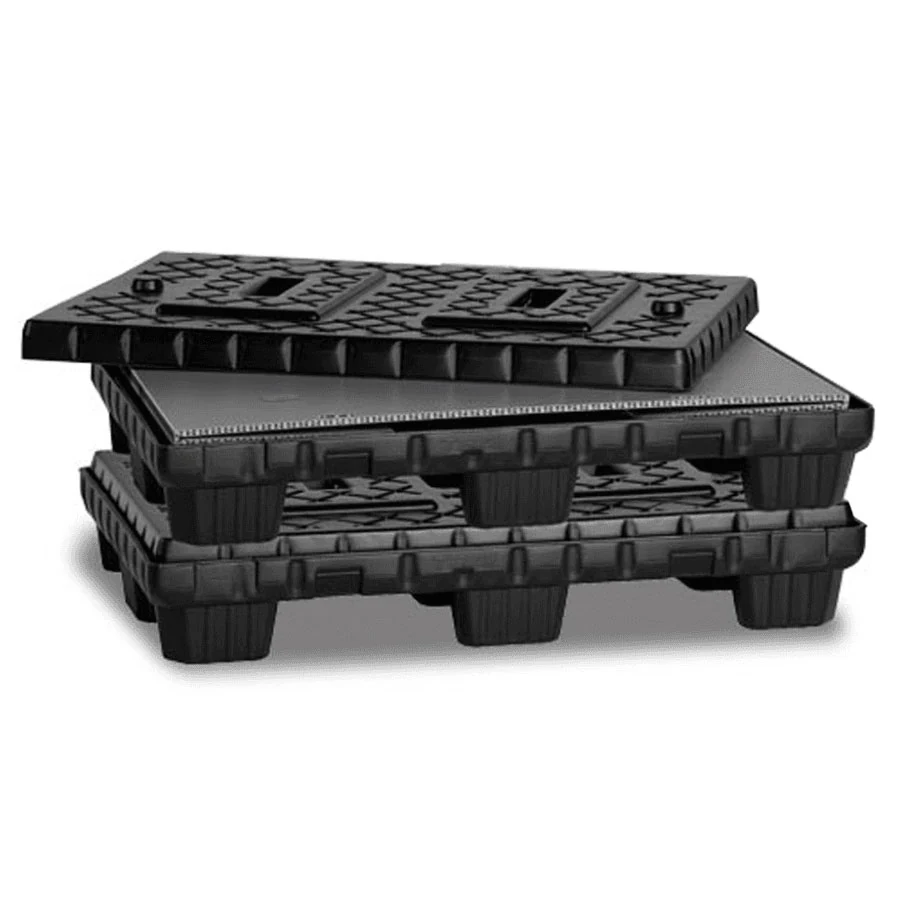
Twin-sheet thermoforming pallet example with separated panel layers

Twin-Sheet Thermoforming

Integrated double-wall components for structural applications.

Two thermoplastic sheets are formed in opposing molds and thermally fused at the perimeter and designed internal contact points, creating an integrated hollow structure.

  • Perimeter welds and internal kiss-off geometry
  • Sheet distribution, stiffness and mounting loads
  • Trimming, attachment features and functional validation
Discuss this process

TWIN-SHEET THERMOFORMING

Engineered hollow structures. Integrated in the forming cycle.

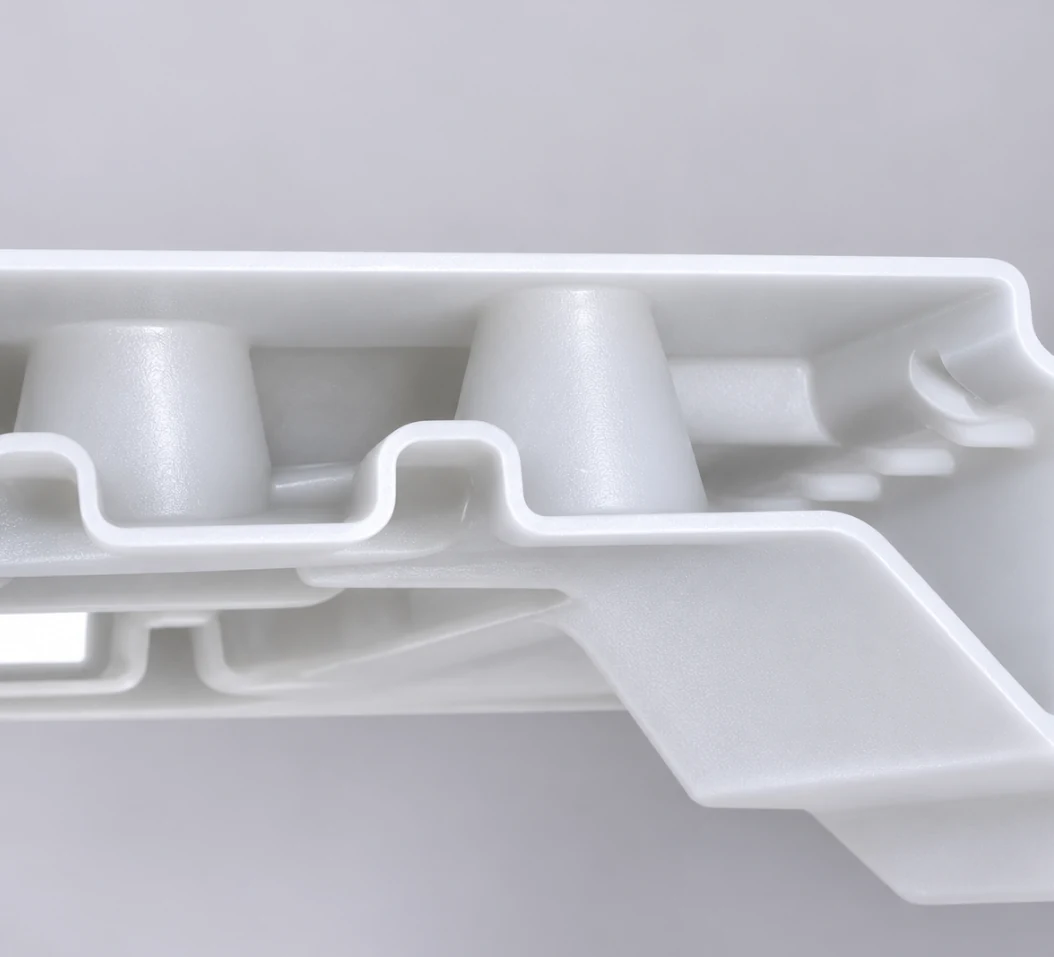
Twin-sheet thermoforming combines two heated thermoplastic sheets in matched opposing molds. The formed skins are brought together while hot and fused at the perimeter and selected internal contact areas, known as kiss-offs. The resulting double-wall construction creates a hollow section with geometry designed around the component’s structural and assembly requirements.

Request a twin-sheet review
Twin-sheet structural section showing the cavity, formed walls and internal contact geometry

Design the load path

Coordinate skin spacing, formed ribs and kiss-off locations with bending, compression and mounting loads. Review draw depth and local thinning alongside the required stiffness.

Engineer the fusion zones

Define perimeter weld lands and internal contact areas together with material compatibility, sheet heating and mold closure. Joining performance must be validated on the specified material and geometry.

Validate the application

Agree dimensional, structural and joint acceptance criteria. For pallets, include payload and support conditions; for enclosures, specify attachment, cavity access and any leak-test requirements.

Discuss twin-sheet forming for pallets, handling components, equipment panels and hollow enclosures. Send both part faces, expected loads, material requirements and annual demand for a focused engineering review.

APPLICATION DETAILS

Show us what your formed part needs to do.

Part examples help frame the conversation. Geometry alone does not determine the forming route; your functional and cosmetic requirements matter too.

MAKE AN INFORMED START

Need help choosing a forming process?

Compare the starting points, or send your application for a focused discussion.

Compare the three forming routes
Your requirementRoute to discussWhat to share
A single-wall shell, cover or handling trayVacuum formingOverall size, draw depth, starting sheet and trimmed geometry
A formed part with defined cosmetic detailPressure forming reviewVisible surfaces, texture references and critical features
A hollow or double-wall structural componentTwin-sheet thermoformingBoth faces, joining zones, loads and mounting requirements

You don’t need to have the process fully specified to make an enquiry.

Ask about your part

MATERIALS, WALLS & FINISHES

Specify performance beyond the sheet.

Material & service conditions

Discuss candidate grades of ABS, HIPS, PETG or HDPE against impact, heat, chemicals and outdoor exposure. Application-specific requirements need grade-level review.

Formed wall distribution

Define starting sheet thickness separately from critical finished-wall requirements. Draw depth, radii and local stretching influence the result.

Surface & assembly fit

Identify the cosmetic face, color and texture references. Include trimmed edges, openings, fasteners and the interfaces with mating parts.

DESIGN REVIEW BEFORE TOOLING

Resolve the forming and trimming details together.

Bring the complete part requirement into the review, including the geometry after forming and after trimming.

View design review considerations
  • Geometry: draw depth, draft, radii and areas at risk of thinning.
  • Tool contact: visible surfaces, texture and dimensional references.
  • Trimming: edges, cut-outs, holes and locating datums.
  • Twin-sheet structure: joining zones, cavity access and load-bearing interfaces.
Request a manufacturability discussion
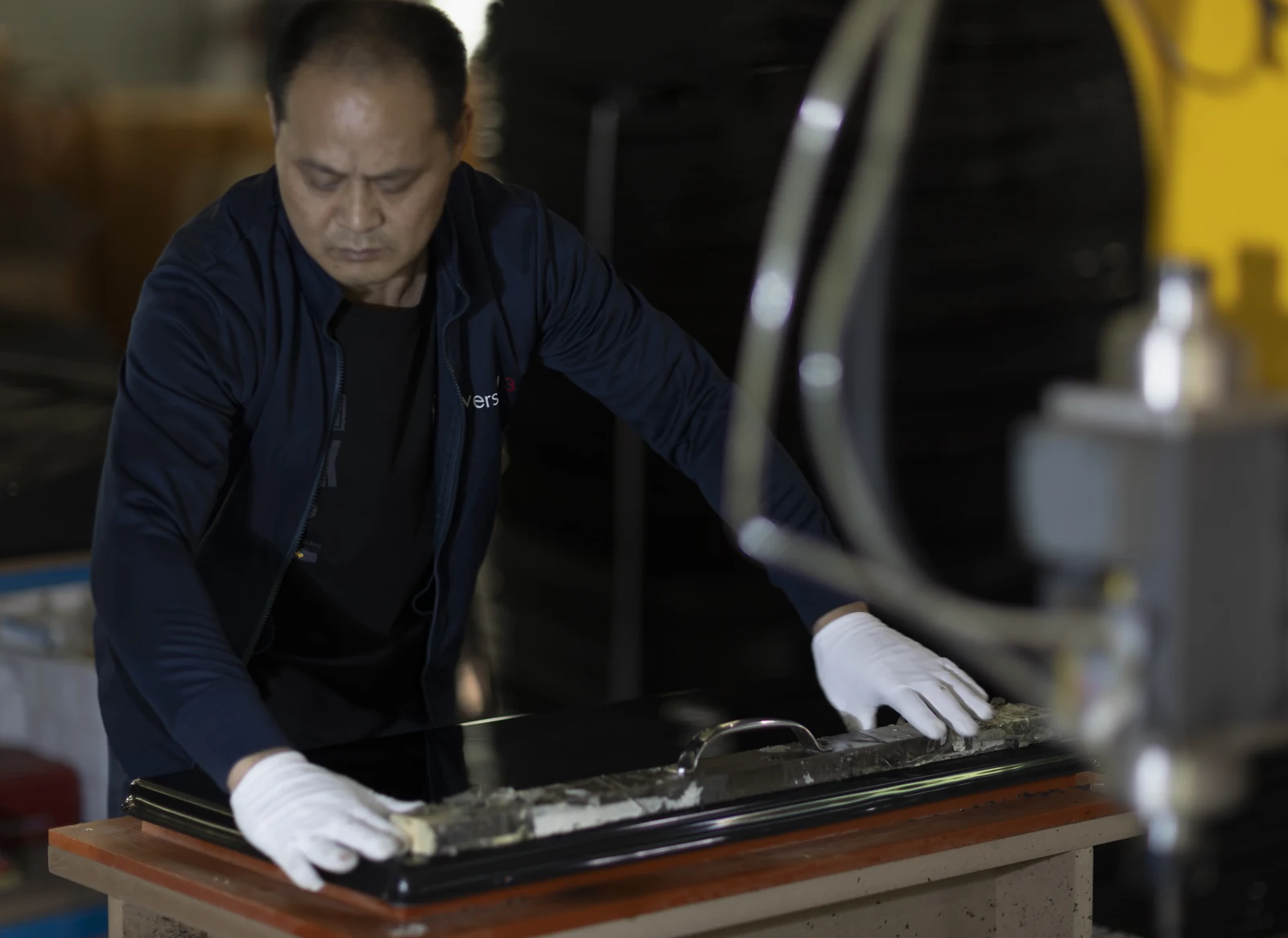
Operator trimming a thermoformed component at a workstation

QUALITY STARTS WITH CLEAR CRITERIA

Agree what a conforming part looks like.

Fit & dimensions

Identify the trim datums, mounting positions, mating surfaces and critical formed dimensions.

Appearance & wall checks

Align on visible-surface references, color, texture and wall checks in the areas that matter.

Function & structure

Define payload, stacking or stiffness checks. For twin-sheet parts, agree joint and sealing tests where relevant.

A CLEAR PATH TO PRODUCTION

Define. Review. Validate. Produce.

Keep engineering and purchasing expectations aligned from the first enquiry.

Start with your design
  1. Define the requirement

    Share the part envelope, function, quantities and timing.

  2. Review forming & tooling

    Discuss sheet, geometry, tool surfaces and trimming scope.

  3. Agree sample acceptance

    Confirm fit, appearance and functional evaluation criteria.

  4. Align production & delivery

    Set inspection, protection, packaging and supply requirements.

ENGINEERING & PURCHASING QUESTIONS

Before you request a quotation.

What is twin-sheet thermoforming?

Two heated sheets are formed in opposing tools and joined at selected contact areas during the forming cycle. It can create hollow, double-wall components. Joint design, material compatibility and structural requirements need to be reviewed for the part.

How do I choose between vacuum, pressure and twin-sheet forming?

Start with the component function. Single-wall geometry, cosmetic detail or a double-wall structure lead to different discussions. Share both the application and drawing so the route can be evaluated rather than selected on appearance alone.

Is starting sheet thickness the finished wall thickness?

No. The sheet stretches during forming and the final wall distribution varies with geometry and process conditions. Identify minimum thickness or stiffness requirements in critical areas.

Which materials should I consider?

ABS, HIPS, PETG and HDPE are examples of thermoformable material families. The appropriate grade depends on impact, temperature, chemical exposure, appearance and any application-specific requirements.

Can a twin-sheet part be treated as watertight?

A hollow structure does not by itself establish leak-tight performance. If sealing matters, specify the test conditions, joint requirements and acceptable leakage before tooling review.

What should I send for a quotation?

Send CAD or a dimensioned drawing, overall size, application, material requirements, order quantity and expected annual demand. For twin-sheet parts, include both faces, joining areas and loading requirements.

Can trimming and assembly features be reviewed together?

Yes. Include holes, cut-outs, flanges, mounting hardware and mating parts in the project brief. Trim datums and assembly acceptance criteria should be agreed before production release.

LET’S REVIEW YOUR THERMOFORMING PROJECT

Turn your design into a focused enquiry.

Include these details to help us understand the component and the next step.

Part & geometry

CAD, drawing or sketch; overall size; trimmed features and mating parts. For twin-sheet, show both faces and joining areas.

Material & function

Sheet or material requirements, service environment, surface expectations and critical loads or wall sections.

Supply needs

Order quantity, annual demand, target timing, sample acceptance and packaging requirements.

Have confidential drawings? Contact us to agree a suitable sharing method.

Request a Quote or Prototype