3D Printing
Build from digital geometry, layer by layer, for complex shapes and design iterations.
Process options
SLA, SLS, SLM and FDM, selected around detail, material and evaluation needs.
Typical use
Form studies and early design reviews.

VERSA 3 / MANUFACTURING CAPABILITIES
Support development with 3D printing, CNC machining and vacuum casting. Use physical samples to review complex geometry, component fit and functional needs before the next design stage.
Start with your application, drawing or current sample.
RAPID PROTOTYPING METHODS
Review material, dimensional needs, finish and sample quantity together.
Build from digital geometry, layer by layer, for complex shapes and design iterations.
SLA, SLS, SLM and FDM, selected around detail, material and evaluation needs.
Form studies and early design reviews.
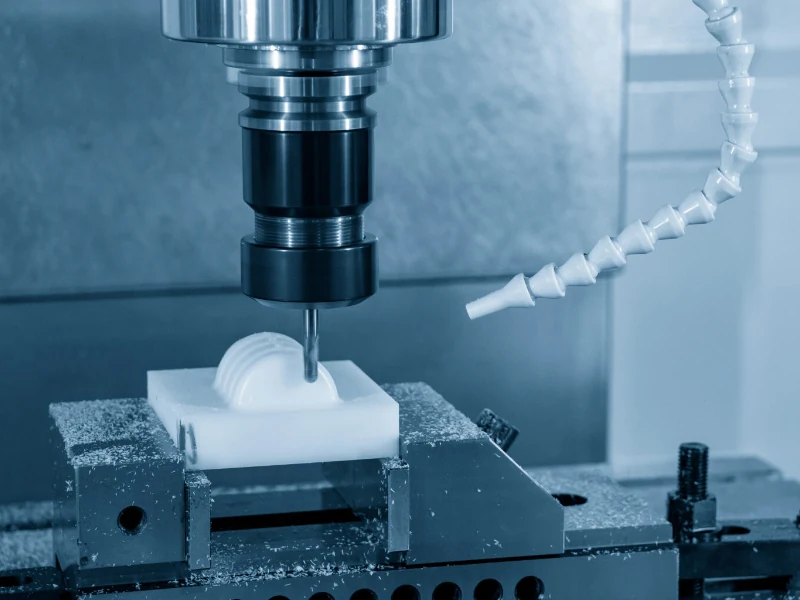
Cut prototypes from plastic or metal stock when material choice and critical fits matter.
Dimensional requirements, machined surfaces and material selection.
Functional parts, electronic housings and small quantities.
Use silicone molds to produce small batches for product evaluation.
Discuss ABS-like, PP-like, PC-like or rubber-like resins.
Multiple samples, assembly checks and pre-production reviews.
PRODUCT DETAILS
Record fit, visible surfaces and critical dimensions during the sample review, then carry agreed changes into the next design revision.
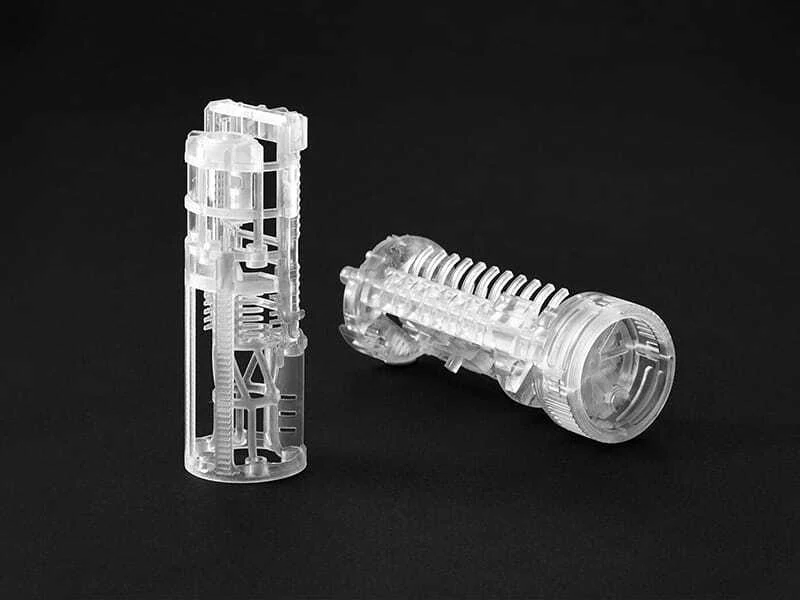
Review fine geometry, assembly interfaces and critical features.
Request a Prototype Review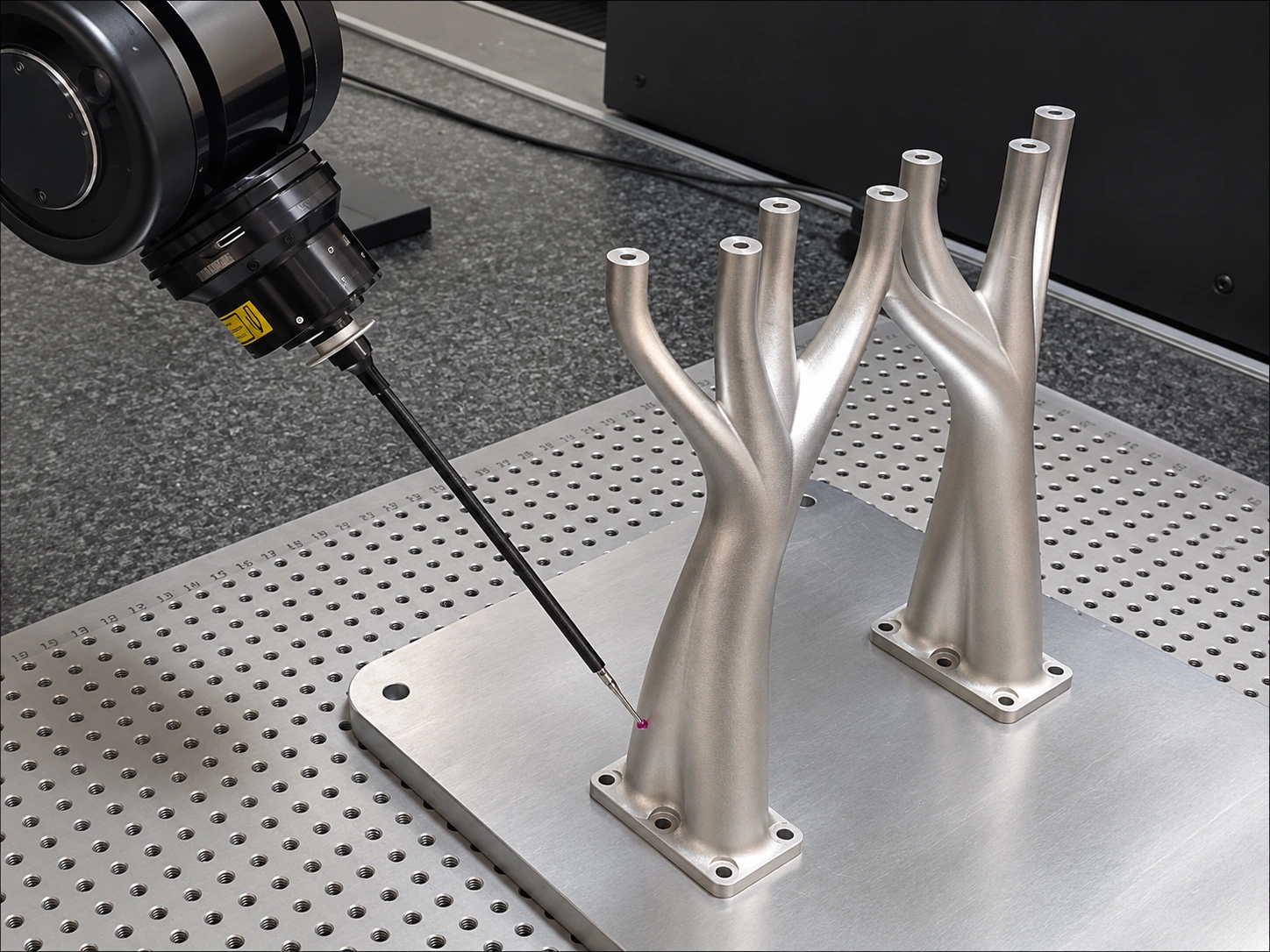
Review sample dimensions and reference datums around the inspection needs.
Request a Prototype Review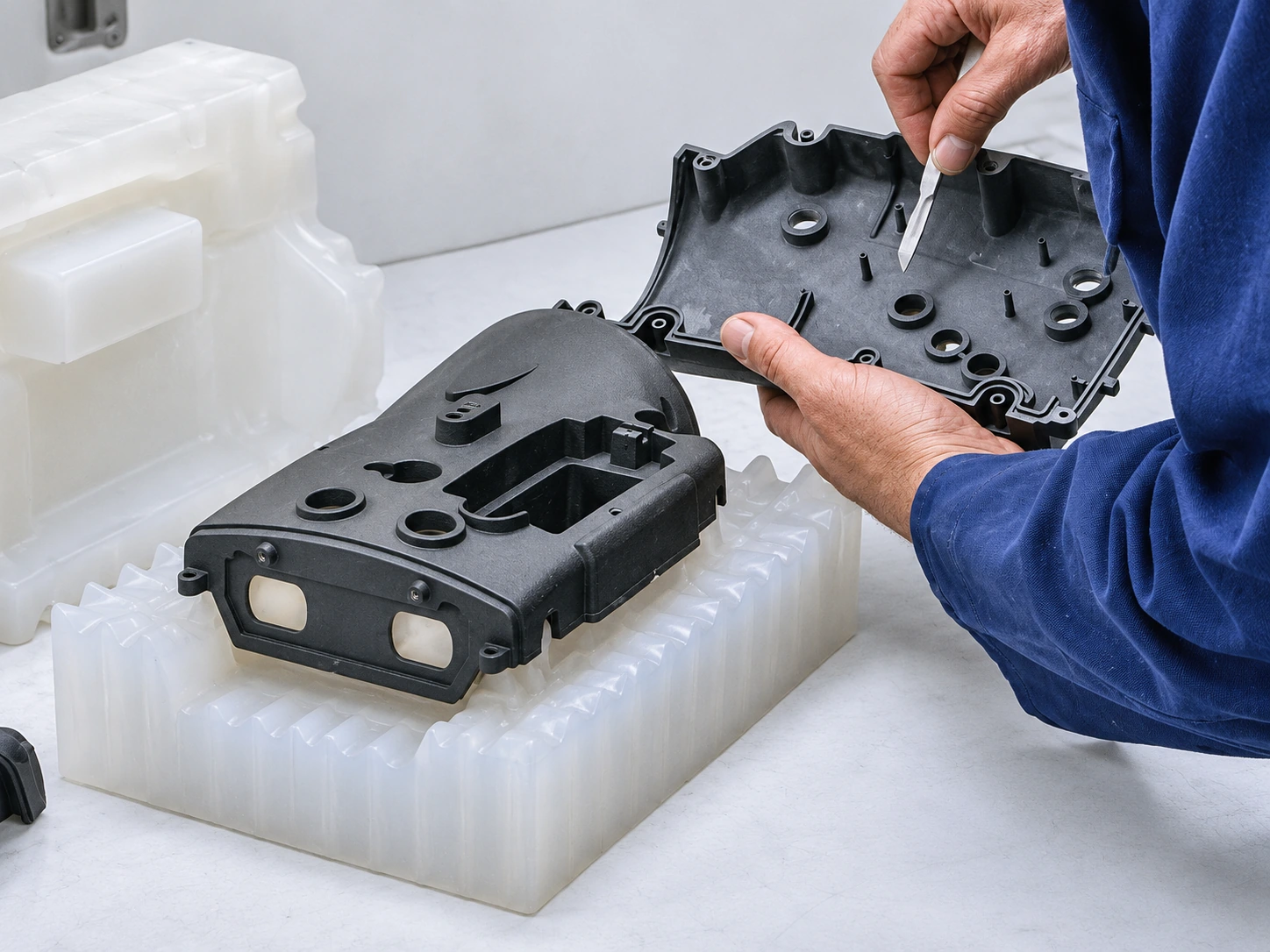
Evaluate housing geometry, surfaces and finishing alongside the mold.
Request a Prototype ReviewPROTOTYPE PLANNING
Review the printing process, material, build orientation and finishing around the sample’s purpose. Define the drawing revision, critical features and quantity before production so the samples support the planned evaluation.
FROM BRIEF TO PRODUCTION
Provide the drawing, appearance references, quantity and use conditions.
Align the process, materials, key interfaces and inspection requirements.
Review the agreed sample and document changes before production release.
Agree the approved revision, quality checks, packaging and delivery requirements.
PROJECT QUESTIONS
That depends on the route and material. Printed or cast resins may not reproduce the behavior of molded production materials; identify the properties your evaluation relies on.
Send the geometry, quantity and test objective. Detail, finish, material behavior and lead-time requirements help determine the route.
Yes. Record the approved geometry and remaining changes so the prototype review can inform tooling and production discussions.
LET’S DISCUSS YOUR PROJECT
Share the application, drawing or sample reference, material requirements, expected quantity and target timing. We can review the manufacturing route with you.